



CHANDIGARH, April 4:
Punjab’s flagship Mukh Mantri Sehat Yojna is emerging as a critical pillar of healthcare security, offering ₹10 lakh coverage per family and enabling faster access to treatment while reducing financial stress during sudden medical emergencies. As illnesses such as heart attack, cancer, and birth complications continue to strike without warning, the Punjab Government’s approach is increasingly centred on bridging the gap between medical urgency and affordability through large-scale public health intervention.
सम्बंधित ख़बरें
Illnesses like heart attack, cancer, and birth complications can strike without any red flags, causing sudden, severe symptoms and requiring immediate medical attention to prevent serious complications. This suggests that such health conditions often develop silently and strike without warning, leaving little room for delay or indecision. In Punjab, this growing concern is increasingly being viewed through the lens of financial preparedness, with government-backed initiatives like the Mukh Mantri Sehat Yojna aiming to bridge the gap between medical urgency and affordability.
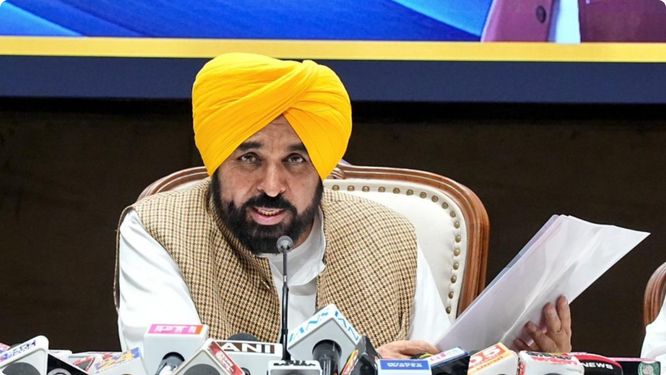
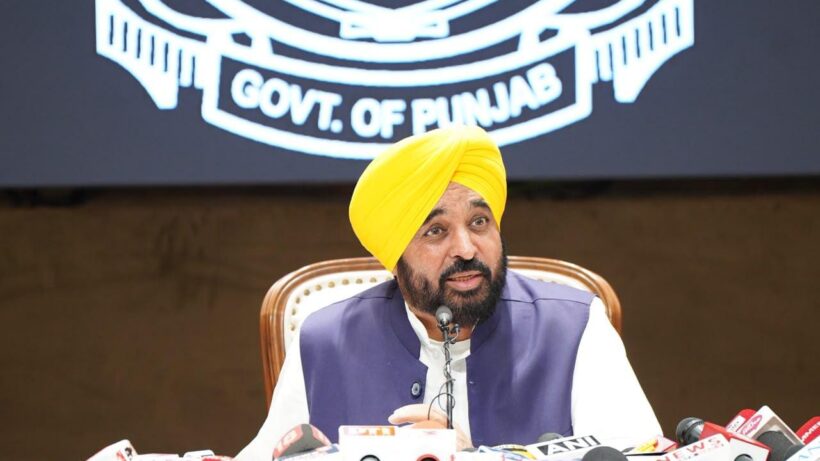
According to the Department of Health and Family Welfare, Punjab, the government, led by CM Bhagwant Singh Mann, is running the health scheme that gives every family free medical treatment up to ₹10 lakh per year. It covers treatment for over 2,300 diseases in both government and private hospitals.
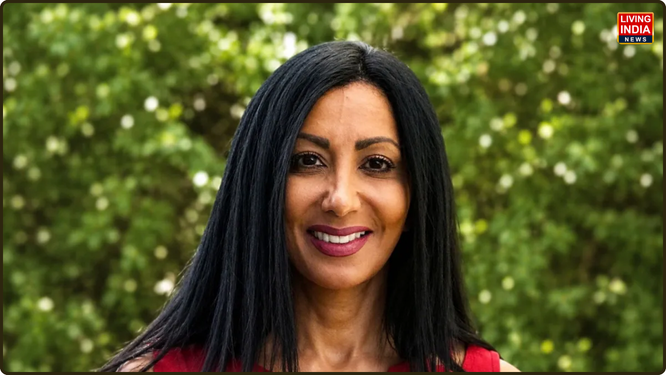
Highlighting the hidden onset of major diseases, global health data underscores the urgency of early intervention. The World Health Organisation informs that diseases like heart disease, cancer, diabetes, and long-term breathing problems cause about 75% of deaths worldwide every year, and many people don’t even know they’re at risk until it’s too late. “By the time patients come to us, the disease is often at an advanced stage,” said Dr Esha Arora, Medical officer (medicine), district hospital, Mohali. “Early detection can help improve outcomes, but it is still not prioritised. Routine screenings remain underutilised, largely because the absence of symptoms creates a false sense of security,” she added.
Medical experts emphasise that when emergencies strike, time becomes the most critical factor. As per the American Heart Association, even a few minutes’ delay in treating a heart attack or stroke can cause permanent damage, or even cost a life. Doctors indicate that hesitation at such moments is common. “Families often pause to consider costs before proceeding with treatment,” said Dr Esha Arora. “That delay can be dangerous.” It is in this context that financial protection schemes like the Mukh Mantri Sehat Yojna are expected to play a transformative role.
From coverage to actual care delivery, the scheme has witnessed substantial uptake across Punjab. Officials state that over 33 lakh families have been enrolled, with lakhs of hospital admissions processed under the scheme, particularly for cardiac procedures, cancer treatment, and dialysis. “The scheme has successfully registered over 33 lakh beneficiaries and approved 1,98,793 free treatments, amounting to approximately ₹3,30,01,32,533. Of this total, ₹59,34,18,468 has already been disbursed to hospitals,“ as per the State health agency, Punjab. People across age groups, from infants to the elderly, have benefited, including those requiring critical interventions such as heart surgeries and cancer care.
Health Department sources further indicate that the initiative has helped reduce out-of-pocket expenditure for many families, especially in high-cost treatments that would otherwise require borrowing or asset sales. This is particularly significant in the Indian context, where out-of-pocket spending accounts for nearly 47% of total healthcare expenditure, as highlighted in National Sample Survey Office and government-backed studies.
Early indicators suggest encouraging trends on the ground, even as comprehensive assessments remain underway. These include improved willingness among patients to seek hospital care, fewer delays in emergency admissions, and a gradual increase in early-stage diagnosis in certain cases, particularly where screening programmes are active.
Punjab Health Minister Balbir Singh stated that the scheme is part of a broader push to ensure equitable healthcare access across the state. “Our objective is to ensure that no family delays treatment due to financial constraints. We are continuously working to expand coverage, improve hospital networks, and strengthen implementation,” he said.
The enrolment drive is continuing to gain momentum, with the state health agency focusing on targeted awareness campaigns to ensure beneficiaries understand how and when to use the scheme. Officials overseeing implementation shared that continuous efforts are being made to create awareness, simplify claim processes, and ensure a smoother, more accessible experience for both hospitals and patients.
At the same time, experts underline that preventive healthcare remains a crucial gap. Regular check-ups, early screenings, and monitoring of risk factors are still limited, particularly in rural areas. Data from the National Family Health Survey indicates that only about one-fourth of rural adults have ever undergone basic health screening, while cancer screening rates among women remain below 2%. While insurance provides a safety net when illness strikes, prevention ultimately determines its severity and outcomes.
Health emergencies may not be predictable, but preparedness can be strengthened. Financial protection through the Mukh Mantri Sehat Yojna, combined with increased awareness and a stronger focus on preventive care, is steadily shaping a more resilient healthcare framework in Punjab. As experts note, when illness strikes without warning, the difference between delay and timely care often determines the difference between recovery and long-term consequences, making preparedness not just a policy priority but a necessity.
Know other news-
“Soil to Plate” – A New initiative for strengthening Punjab’s Agriculture
Stay connected with LIVING INDIA NEWS 24/7 LIVE for other updates